


In 2025, eco-friendly fashion is no longer a niche - it’s a priority. With consumers demanding more responsible practices, brands are stepping up by using recycled materials, ethical labour, and waste-reducing methods. Here’s a quick look at some of the top UK-based brands making a difference this year:
- Rebelwear UK: Affordable, activist-themed clothing inspired by Nottingham’s Robin Hood, focusing on ethical sourcing and production.
- Beaumont Organic: Known for organic cotton, recycled fibres, and free repair services to extend garment life.
- Baukjen: Offers timeless designs with LENZING™ ECOVERO™ viscose, take-back programmes, and plastic-free packaging.
- BEEN London: Creates accessories from upcycled materials while maintaining fair production standards.
- WAWWA: Produces organic, fairtrade, and vegan-friendly clothing, with a focus on local manufacturing.
- E.L.V. Denim: Specialises in upcycled denim, using minimal water and supporting circular fashion practices.
- Pantee: Transforms deadstock T-shirts into comfortable underwear, combining waste reduction with ethical production.
Each of these brands is tackling the fashion industry’s waste and emissions challenges, proving you don’t have to sacrifice style for responsibility. Whether it’s durable denim, organic cotton, or upcycled accessories, these options let you align your wardrobe with your values. Keep reading to discover how they’re reshaping fashion for the better.
Top 100 Actually Sustainable Fashion Brands to Shop in 2025 (Ethical, Stylish, and Vetted)
What Makes a Clothing Brand Eco-Friendly?
The move towards sustainable fashion has reshaped how we define eco-friendly clothing brands. True sustainability isn’t just about clever marketing - it’s about every step of the process, from the materials used to what happens when the garment reaches the end of its life.
Sustainable Materials
Eco-friendly fashion begins with the choice of materials. Organic cotton, for instance, is grown without harmful pesticides or synthetic fertilisers and requires significantly less water compared to traditional cotton. Recycled fibres, like polyester made from plastic bottles or textile waste, play a key role by diverting waste from landfills and reducing the need for new resources. Materials like Tencel, derived from sustainably sourced wood pulp, offer even more options for environmentally conscious production.
Responsible Production Methods
How clothes are made is just as important as what they’re made from. Brands using water-efficient dyeing techniques drastically cut water consumption, while those relying on renewable energy in their manufacturing processes lower their carbon footprint. Some companies adopt closed-loop systems, recycling water and chemicals to minimise waste during production.
Ethical Labour Practices
Sustainability isn’t just about the environment - it’s about people too. Ethical labour practices, such as fair wages, safe working conditions, and transparent supply chains, are essential. Many eco-conscious brands form long-term partnerships with their suppliers, ensuring that both workers and the planet are prioritised. Alongside ethical treatment of workers, efforts to reduce waste are equally vital.
Waste Reduction and Circular Fashion
Reducing waste is a cornerstone of eco-friendly fashion. Brands are designing garments to last longer, incorporating durable fabrics and timeless styles that outlive fleeting trends. Circular fashion principles, such as take-back programmes for old clothing and the use of deadstock fabrics, help minimise waste. Some brands have even eliminated plastic packaging, opting for compostable or reusable alternatives. The goal? To create clothes that can be repaired, recycled, or even composted when their time is up.
Transparency and Accountability
For a brand to be truly eco-friendly, transparency is non-negotiable. Companies that openly share details about their supply chains, environmental impact, and sustainability goals build trust with consumers. Certifications like GOTS (Global Organic Textile Standard) and Cradle to Cradle provide independent verification of these claims, ensuring brands meet rigorous standards.
Carbon Neutrality and Beyond
Carbon neutrality is no longer a bonus - it’s becoming a baseline expectation. Eco-friendly brands are now measuring and offsetting their emissions throughout the entire supply chain, from raw materials to shipping. Some go even further, achieving carbon negativity by removing more carbon from the atmosphere than they produce.
Local Production and Reduced Transport
Brands that produce locally not only cut down on shipping-related emissions but also support local economies. For UK-based brands, manufacturing domestically allows for better oversight of working conditions and reduces the environmental impact of long-distance transportation.
Durability and Timeless Design
Durability is key to challenging the fast fashion model. Garments made with high-quality construction, reinforced seams, and classic designs last for years, encouraging consumers to buy fewer but better items. This shift directly counters the throwaway culture promoted by fast fashion.
Safe Chemicals and Fabric Care
Eco-friendly brands also consider the chemicals they use. By choosing natural or low-impact alternatives, they protect both the environment and the people handling the materials. These practices not only benefit the planet but also make it easier for consumers to make ethical wardrobe decisions.
Each of these elements contributes to a brand’s eco-friendly credentials, offering a roadmap for those looking to make more thoughtful fashion choices. The following sections will dive into specific brands that embody these principles.
1. Rebelwear UK

Nestled in Nottingham, Rebelwear UK takes its inspiration from the city's legendary figure, Robin Hood, blending this iconic folklore with modern sustainable fashion. The brand has carved a niche for itself with activist-themed clothing, prioritising ethical sourcing and environmentally conscious production. Below, we delve into how Rebelwear UK sets itself apart through its dedication to sustainable sourcing, ethical manufacturing, and affordability.
"With a primary focus on ethical sourcing and sustainable practices, RebelRags weaves elements of Nottingham's folklore into their designs, resulting in a unique fusion of contemporary fashion and the timeless spirit of Robin Hood." - The Textile Exchange
A Focus on Sustainable Sourcing
Rebelwear UK takes a thoughtful approach to sourcing materials, partnering with suppliers who meet strict environmental and social standards. This ensures full transparency and traceability throughout the brand's supply chain, reflecting its commitment to sustainability at every level.
Ethical Manufacturing Standards
The brand works closely with manufacturing partners who prioritise fair labour practices and uphold safe working conditions. These collaborations are a testament to Rebelwear UK's dedication to ethical production and its broader environmental values.
Making Ethical Fashion Affordable
By cutting out middlemen and selling directly to customers, Rebelwear UK manages to keep its activist-themed apparel competitively priced. This approach makes eco-conscious fashion accessible to a diverse audience across the UK, encouraging more people to embrace ethical choices in their wardrobes.
2. Beaumont Organic

Beaumont Organic leads the way in sustainable fashion, proving that style and eco-conscious practices can go hand in hand. The brand integrates timeless designs with environmentally friendly methods, ensuring sustainability is a core part of every step, from sourcing materials to final packaging.
Materials and Sourcing
Beaumont Organic carefully chooses materials that balance environmental responsibility with durability. The brand uses Global Organic Textile Standard (GOTS) certified organic cotton, which significantly reduces the use of harmful chemicals, water, and wastewater during production. Beyond organic cotton, they incorporate recycled cotton fibres into their knitwear. This approach not only reduces reliance on new materials but also breathes new life into textile waste. One standout feature is their use of seaweed-based technology in woven checked fabrics, an inventive step towards more sustainable textiles. These material choices reflect a strong commitment to reducing waste and innovating responsibly.
Waste Reduction Methods
Beaumont Organic takes waste reduction seriously, embedding it into their processes. Their use of recycled packaging for products helps to lower the environmental impact of deliveries and unboxing. A particularly noteworthy initiative is their free repair service for clothing. By offering repairs, the brand extends the lifespan of its garments, reducing textile waste and supporting a circular fashion model. These efforts align seamlessly with their broader commitment to ethical and sustainable production.
Ethical Production Practices
The brand ensures that its production processes uphold both environmental and social values. By using GOTS-certified materials, Beaumont Organic guarantees that fair labour practices are maintained throughout the supply chain, from farming to garment construction. Each piece is designed with longevity in mind, reducing the need for frequent replacements and promoting a more sustainable approach to fashion.
3. Baukjen
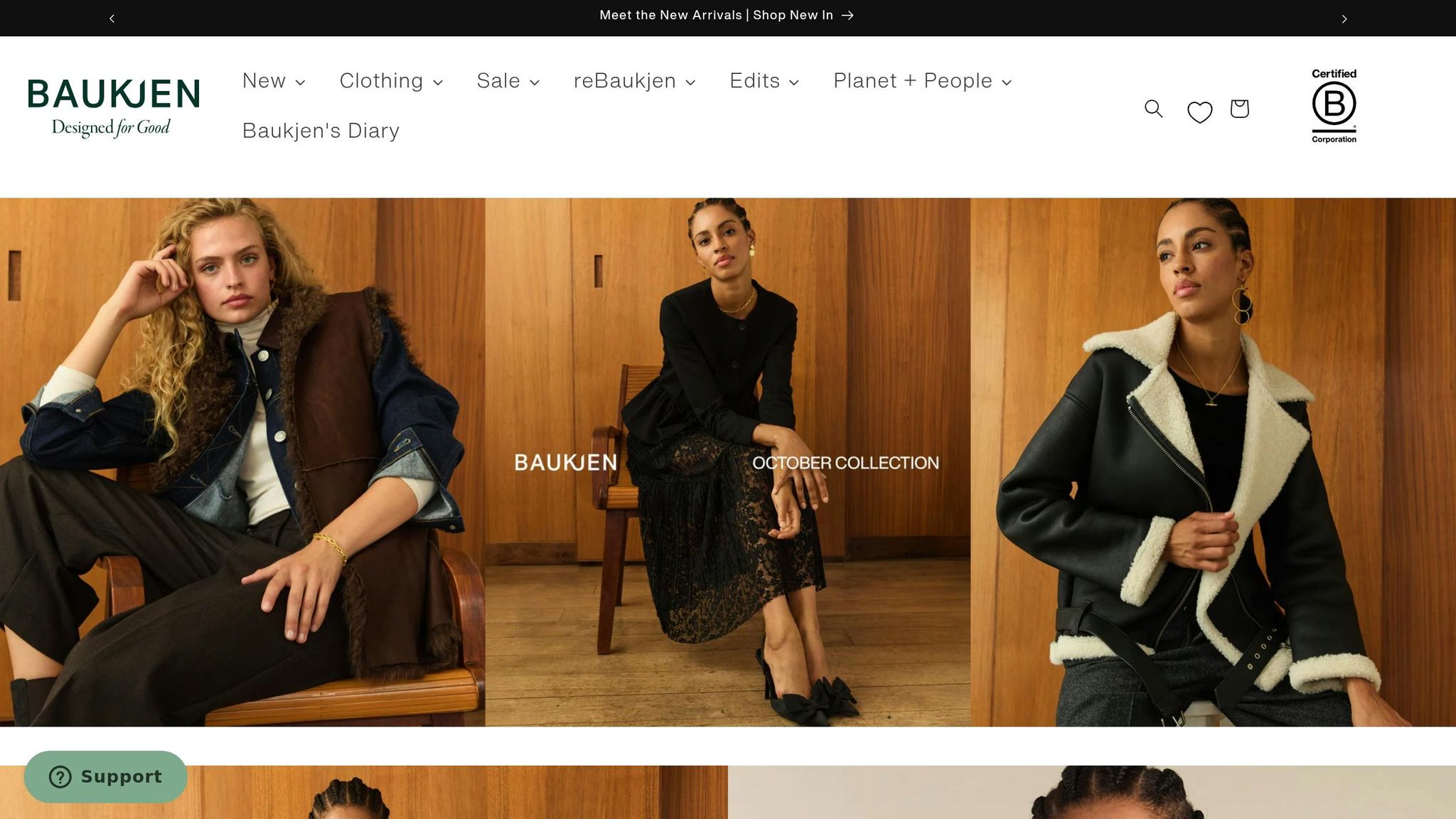
Baukjen blends contemporary, adaptable designs with a strong commitment to ethical and environmentally conscious practices across its operations.
Materials and Sourcing
Baukjen focuses on using materials that minimise environmental harm. For example, it incorporates LENZING™ ECOVERO™ viscose, a more sustainable option compared to standard viscose, as it uses resources more efficiently. The brand also gives new life to waste by producing recycled polyester from discarded plastic bottles. For its denim and knitwear collections, Baukjen opts for RWS-certified wool and organic cotton, both of which avoid harmful pesticides and optimise water usage.
Ethical Production Practices
Baukjen is dedicated to ensuring transparency in its supply chain. It collaborates with manufacturers that uphold rigorous standards in areas like renewable energy use, water conservation, material safety, and fair treatment of workers. Regular audits ensure that employees receive fair wages, work in safe conditions, and have reasonable working hours. The brand’s commitment to slow fashion is evident in its focus on timeless designs that are made to last.
Waste Reduction Methods
With its "Forever Baukjen" initiative, the brand invites customers to return used garments for recycling or upcycling, extending the life of each item. Baukjen also takes steps to minimise waste through practices like plastic-free packaging, the use of recyclable and biodegradable materials, and zero-waste pattern cutting. By partnering with specialised recycling facilities, the brand further reduces textile waste. These efforts are paired with a focus on keeping sustainable fashion affordable, ensuring it’s accessible to more people.
Affordability and Accessibility
Baukjen is committed to making sustainable fashion more attainable. Positioned in the accessible premium market, the brand offers competitively priced collections. Its cost-per-wear philosophy encourages investing in quality pieces that last, while flexible payment options and a size-inclusive approach - with detailed guides and free-return policies - make their offerings even more user-friendly.
4. BEEN London
BEEN London is making waves in eco-conscious fashion by turning discarded materials into chic, sustainable accessories. With a focus on repurposing and ethical practices, this brand is redefining how we think about style and sustainability.
Materials and Sourcing
BEEN London’s designs start with upcycled materials. The brand collaborates with partners who specialise in providing repurposed inputs, ensuring that each product reflects its dedication to reducing waste and supporting ethical sourcing.
Ethical Production Practices
Every item is crafted in artisan workshops that prioritise fair wages and safe working conditions. BEEN London’s commitment doesn’t stop at ethical production; the brand also focuses on creating durable products that stand the test of time, promoting a longer lifecycle for each piece.
Waste Reduction Methods
Staying true to its circular fashion philosophy, BEEN London works to extend the lifespan of its products. Additionally, it uses sustainable packaging solutions, reducing waste at every stage of the process.
Affordability and Accessibility
BEEN London strives to make eco-friendly fashion more accessible. By combining responsibly sourced materials with ethical craftsmanship, the brand offers a touch of luxury that aligns with the values of environmentally conscious shoppers.
sbb-itb-24fa5d9
5. WAWWA
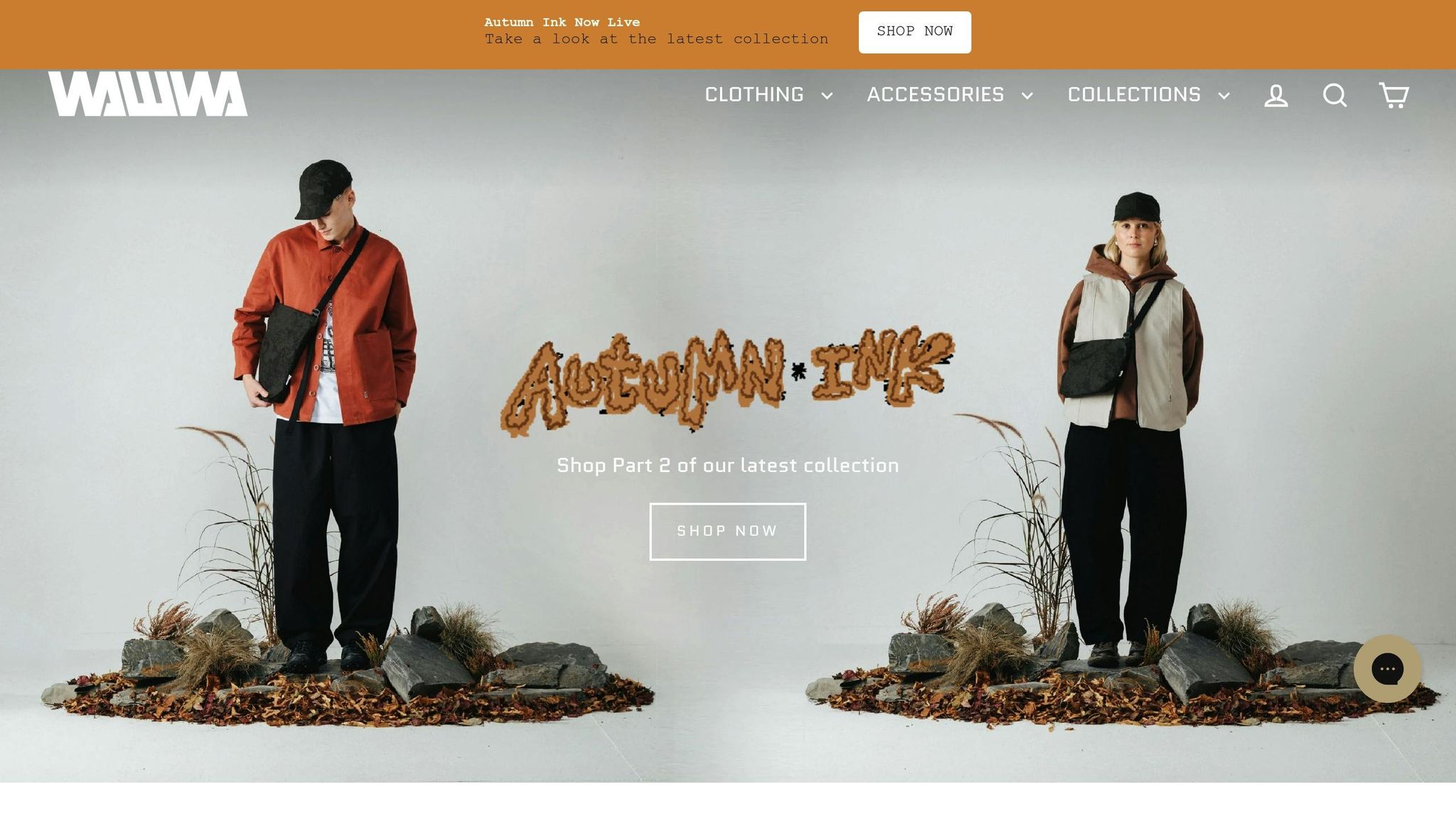
WAWWA is dedicated to producing organic, fairtrade, and vegan-friendly clothing that prioritises both the planet and its people.
Materials and Sourcing
At the heart of WAWWA's designs is a focus on using resources with a smaller environmental footprint. Their UK-made jerseys are crafted from 520GSM Organic Cotton, offering a blend of comfort and durability. Meanwhile, the graphics collection features heavyweight Organic Jersey, produced in Portugal and printed in Manchester.
"WAWWA aims to make clothing that puts the earth and its inhabitants first by creating organic, fairtrade, and vegan friendly clothing with a positive social impact." - Good On You
By choosing high-quality, sustainable materials, WAWWA reinforces its commitment to responsible fashion.
Ethical Production Practices
WAWWA embraces a local-first production model, with final stages of manufacturing carried out in the UK and Portugal - regions known for lower risks of labour exploitation. The brand maintains transparency by tracing key production stages and auditing around 50% of its supply chain. In the UK, WAWWA ensures workers receive a real living wage and is actively working to extend these standards, alongside strict codes of conduct, across its entire supply chain.
Waste Reduction Methods
By keeping production local, WAWWA reduces transportation distances, helping to minimise carbon emissions. This approach reflects their broader commitment to reducing waste and environmental impact.
6. E.L.V. Denim

E.L.V. Denim stands out as the only denim brand globally to rely entirely on upcycled materials. Based in East London, this British luxury label transforms discarded denim into fashionable pieces, all while keeping waste to a minimum.
Materials and Sourcing
E.L.V. Denim’s creations are crafted from upcycled denim, eliminating the need to manufacture new fabrics. By sourcing materials locally, the brand not only reduces the environmental impact of long-distance shipping but also supports the UK’s circular economy. This approach reflects their dedication to reducing waste and promoting sustainable practices.
Waste Reduction Methods
With a commitment to a zero-waste ethos, E.L.V. Denim’s production process uses just 7 litres of water per pair of jeans - a staggering 99.93% reduction compared to traditional methods. The environmental impact of this approach highlights the benefits of upcycling.
"We believe that upcycling is the future of fashion; an art to celebrate." - Anna Foster, Founder of E.L.V. Denim
Affordability and Accessibility
E.L.V. Denim’s eco-conscious innovations come with a pricing strategy that sits comfortably within the mid-range luxury market. Their pricing reflects the quality of their products while remaining accessible. The brand’s commitment to ethical and zero-waste production has earned it a sustainability rating of 4 out of 5, showcasing their dedication to environmentally friendly practices. Additionally, UK customers enjoy free shipping, which not only reduces emissions but also ensures quicker delivery times.
The brand’s forward-thinking methods have not gone unnoticed. E.L.V. Denim was shortlisted for the prestigious BFC/Vogue Designer Fashion Fund in both 2021 and 2022, cementing its reputation as a leader in sustainable fashion.
7. Pantee
Pantee stands out as the first underwear brand in the world to be made entirely from deadstock T-shirts. By transforming surplus materials that would otherwise be discarded into stylish and comfortable undergarments, this British company - founded by sisters Amanda and Katie McCourt in 2020 - addresses one of the fashion industry's biggest challenges: textile waste.
Materials and Sourcing
At the heart of Pantee's approach is their use of deadstock materials. These are surplus fabrics and T-shirts that manufacturers typically throw away. The brand repurposes these materials into underwear made with 95% cotton and 5% elastane, ensuring both comfort and stretch. With an estimated 30% of clothing going unsold and ending up in landfills, Pantee's mission to repurpose these textiles is both timely and impactful.
"When we learnt about the number of garments going to waste each year, we just had to do something about it." - Amanda McCourt, Co-founder of Pantee
Ethical Production Practices
Pantee doesn’t just stop at sustainable materials; they’re also committed to ethical production. The brand ensures full transparency in its supply chain, so customers know exactly where their products come from. Final production takes place in Dhaka, Bangladesh, at a facility run by Erdem. Here, Pantee guarantees fair labour practices, with workers receiving above-average wages and bi-annual bonuses. The facility also upholds strong ethical standards, ensuring no forced or child labour.
"Since day one we have had a great working relationship with Erdem, with strong communication and transparency. We feel proud to manufacture in a facility where we can guarantee fair wages, healthy conditions and zero forced or child labor." - Amanda McCourt, Co-founder of Pantee
Waste Reduction Methods
Pantee’s commitment to sustainability extends beyond their materials and ethical production. As part of the 1% For The Planet community, they plant a tree for every order placed. So far, they’ve planted over 600 trees, contributing to reforestation efforts worldwide. Their packaging is equally thoughtful, made from plastic-free, recyclable materials, further reducing their environmental footprint.
By using deadstock materials, Pantee also avoids overproduction. Their limited-edition collections not only minimise waste but also offer customers unique designs.
"A few years ago when my sister and I learned about the sheer amount of waste produced by the fashion industry, we knew we had to do something about it." - Katie McCourt, Co-founder of Pantee
Affordability and Accessibility
Pantee has made sustainable underwear more accessible, with prices starting at £20 for individual pieces and sets available from £59. Their efforts have earned them a 'Good' sustainability rating, highlighting their strong environmental and labour practices while leaving room for further growth. Their successful launch shows the demand for sustainable fashion alternatives - their Kickstarter campaign in February 2022 hit half its funding goal in just one day.
How to Add Eco-Friendly Fashion to Your Wardrobe
Switching to eco-friendly fashion isn’t just about upgrading your wardrobe - it’s about supporting a shift towards a more sustainable industry. But don’t worry, it doesn’t mean you need to toss out everything you own. In fact, the most environmentally friendly approach is to start with what you already have, making thoughtful changes over time.
Begin by giving your current wardrobe a new lease of life. Repair and upcycle your existing clothes to extend their lifespan without adding to your carbon footprint. Once you’ve refreshed what you own, you can start making strategic additions to your wardrobe.
When it’s time to replace worn-out items, focus on versatile, durable staples - think a well-fitted blazer, classic jeans, or a crisp white shirt. These timeless pieces won’t go out of style and can endure years of wear. While sustainable options might seem pricier upfront (with basics ranging from £20 to £200), their durability often makes them a better investment in the long run.
Take advantage of repair and recycling programmes offered by eco-conscious brands. For instance, Patagonia’s Worn Wear initiative helps customers repair and reuse their garments, significantly cutting down on waste. As Rose Marcario, Patagonia’s former CEO, explained:
"Our Worn Wear program not only helps reduce waste but also fosters a community of repair and reuse among our customers."
E.L.V. Denim is another example, with its take-back programme diverting tonnes of denim from landfills. Co-founder Anna Foster highlights this commitment:
"By transforming old denim into new products, we are not just recycling; we are redefining the lifecycle of fashion."
If you’re looking to experiment with styles without contributing to new production, consider rental services or thrift shops. Rental platforms often offer flexible subscription plans, such as £60 per month for multiple items. Alternatively, thrift stores and online secondhand platforms provide unique finds at a fraction of the cost. As The Good Trade notes:
"Choosing to shop sustainable, and even better secondhand, can lessen the drastic impact that fast fashion has on our planet".
When purchasing new items, seek brands with strong sustainability commitments. Many companies now carry B Corp certification, demonstrating their dedication to social and environmental standards. For example, Reformation announced in October 2025 its aim to source 100% of its fabrics from recycled, regenerative, or renewable materials by the end of the year, while Patagonia already produces 98% of its clothing line using recycled materials.
Sustainability doesn’t stop at checkout. Joanna Dai, founder of Dai, reminds us:
"Sustainability doesn't end once the customer checks out their basket. Look out for brands that offer repairs and take-back schemes that help increase a garment's longevity or encourage responsible recycling".
Transitioning to an eco-friendly wardrobe is a journey, not a sprint. Whether it’s mending a beloved piece, opting for timeless designs over fleeting trends, or supporting brands with meaningful environmental goals, each choice helps reduce fashion’s impact on the planet. By making these informed decisions, you’re not just updating your wardrobe - you’re contributing to a more sustainable future for fashion. Every step counts.
Conclusion
The fashion industry in 2025 finds itself at a crucial crossroads, where the impact of our clothing choices extends far beyond personal style. By supporting brands that prioritise eco-friendly practices, we can actively reduce the environmental toll of fast fashion. Every mindful purchase contributes to addressing the damage caused by one of the most polluting industries on the planet.
The brands highlighted in this guide show that sustainability and style can coexist. They demonstrate how ethical production methods can blend seamlessly with innovative design to create positive change. These efforts build upon the sustainable practices discussed earlier, showcasing how the industry is evolving.
Sustainable fashion reflects a growing consumer demand for honesty and ethical practices. As Joanna Dai, founder of Dai, aptly puts it:
"Sustainability must combine people and the planet"
This sentiment underscores the importance of your fashion choices, which influence not only environmental health but also social equity.
By embracing conscious consumerism, you’re not just curating a more thoughtful wardrobe - you’re helping reshape the fashion industry itself. Your purchases encourage transparency in supply chains, fair treatment of workers, and creative solutions to minimise fashion’s carbon footprint. This shift in demand is already prompting major brands to adopt ambitious environmental targets and embrace circular fashion principles.
Building a sustainable wardrobe starts with intentional decisions. Whether it’s opting for certified organic fabrics, supporting brands with recycling initiatives, or simply buying fewer but better-quality items, each choice helps create a more responsible fashion ecosystem. Aligning your clothing choices with your values allows you to address fashion’s environmental challenges while expressing your unique style and beliefs.
The future of fashion relies on consumers like you making thoughtful decisions today. Each eco-conscious purchase is a step towards a more sustainable, ethical, and socially responsible industry - one that will benefit generations to come.
FAQs
What steps do eco-friendly clothing brands take to ensure their practices are sustainable and ethical?
Eco-friendly clothing brands are making strides in creating fashion that respects both the planet and its people. They focus on using sustainable materials like organic cotton, hemp, and recycled fabrics. These choices not only conserve resources but also cut down on waste. Plus, they often require less water and fewer harmful chemicals compared to traditional materials, making them a win for the environment.
Ethics are another cornerstone of these brands. They ensure fair wages and safe working environments for workers, often working with organisations like Fairtrade or GOTS (Global Organic Textile Standard) to back up their promises. On top of that, many brands are embracing circular fashion ideas, including repair services or take-back schemes, which help extend the life of clothing and keep it out of landfills.
By blending eco-friendly materials with ethical practices, these brands are proving that fashion can be both stylish and responsible.
Why is choosing eco-friendly clothing better than fast fashion?
Choosing eco-friendly clothing instead of fast fashion comes with plenty of perks - not just for the planet, but for your wardrobe too. Sustainable brands prioritise ethical practices and use materials like organic cotton, bamboo, or hemp. These materials are often free from harmful chemicals, helping to minimise environmental harm and protect ecosystems.
What’s more, eco-friendly clothing is typically made to a higher standard, offering better quality and durability. This means you can invest in timeless pieces that stand the test of time, saving you money in the long run. Plus, by opting for sustainable fashion, you’re supporting efforts to conserve resources, cut down on waste, and ensure fair treatment for workers. It’s an easy yet meaningful way to reflect your values through your style.
How can I spot genuinely sustainable clothing brands and avoid falling for greenwashing?
To spot clothing brands that genuinely prioritise sustainability and avoid falling for greenwashing, there are a few important things to keep in mind. Start by checking if the brand is upfront about its practices. Certifications like B Corp or recognised eco-labels can be strong indicators of accountability and adherence to better environmental and ethical standards.
Next, take a closer look at the materials they use. Are they incorporating certified organic fabrics or innovative recycled textiles? Brands that go the extra mile by offering repair services or garment take-back schemes also signal a real effort to extend the life of their products and cut down on waste.
Another crucial factor is how the brand treats its workers. Ethical companies are often transparent about their supplier codes of conduct or their policies on fair wages and safe working conditions. If a brand openly shares detailed, clear information about its supply chain and sustainability initiatives, that's usually a positive sign of their commitment. Transparency matters.